Why Forest Heritage Days Began
Why Forest Heritage Days Began
Forest Heritage Days began in 1991, and the timing was not accidental.
The Maine Forest Service was marking its centennial that year, and Maine’s working forest was under pressure. A clear-cutting ban initiative was headed to the ballot, and people who lived and worked in communities like Greenville understood what was at stake. Without the logging industry, Greenville faced an uncertain future. The event was their answer: not a protest, but an invitation. Come see what this forest is, what it does, and who takes care of it.
The First Event
John Sinclair, a sixth-generation logger and former president of Seven Islands Land Management, was the driving force behind the founding. Beverly Walker served as the early director. The Natural Resources Education Committee — a volunteer nonprofit that included Scott Paper, Great Northern Paper, and local community members — organized the first events.
From the beginning, the formula was simple: open the woods to the public, celebrate the skills of professional loggers, and build a bridge between the people who work in the forest and the people who love it.
The Game of Logging Years
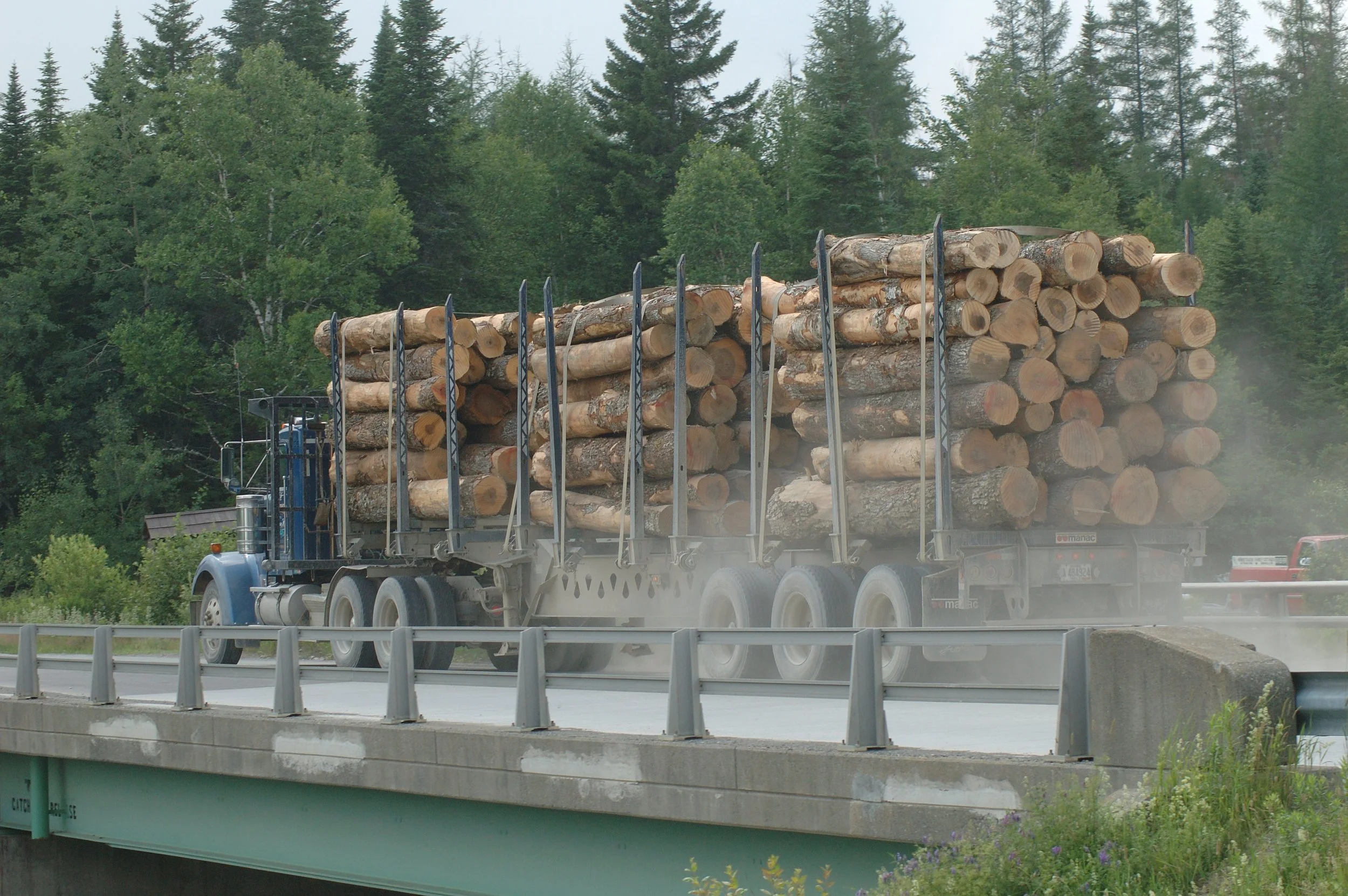
For more than two decades, the Game of Logging was the signature event. The chainsaw skills competition featured speed cuts, bore cuts, precision felling, and other demonstrations of woods skill and safety. Guided bus tours into active timber operations gave visitors a firsthand look at how the working forest actually functions. Meals, historical exhibits, and demonstrations rounded out a program that drew people from across the region year after year.
A Changing Forest
Forest Heritage Days has changed because the forest around it has changed. The forest products industry is different than it was in 1991. Land ownership has changed. Logging practices have changed. Large areas of land have been placed under conservation. Recreation, public access, wildlife habitat, timber production, and long-term forest stewardship are now part of a broader conversation about the future of this region.
Through all of that change, the purpose of Forest Heritage Days has remained steady: to make the working forest visible — its history, its present, and the people who continue to care for it.
Thirty-five years in, that purpose is as clear as it has ever been.